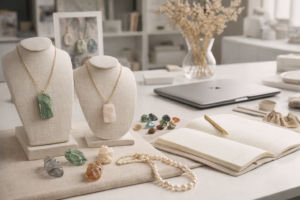
- Genuine artistry from innovative design to https://luckycaponeau.com elevates modern aesthetics
- The Importance of Curated Collections
- The Role of the Designer
- Exploring the Intersection of Art and Design
- The Influence of Contemporary Art Movements
- The Evolution of Modern Aesthetics
- The Impact of Technology on Design
- The Importance of Sustainable Design Practices
- The Power of Visual Storytelling and Brand Identity
Genuine artistry from innovative design to https://luckycaponeau.com elevates modern aesthetics
The realm of modern aesthetics is constantly evolving, driven by innovative design and a pursuit of genuine artistry. At the forefront of this movement is a dedication to crafting experiences that resonate on a deeper level, moving beyond mere functionality to embody a unique sensibility. This pursuit is exemplified by the work found at https://luckycaponeau.com, a platform dedicated to showcasing and elevating this philosophy. The careful curation of pieces, the attention to detail, and the underlying commitment to artistic integrity are all hallmarks of a brand that understands the power of beautiful design.
In a world saturated with mass-produced goods, there’s a growing appreciation for items that tell a story and reflect the passion of their creators. This isn’t simply about acquiring possessions; it's about investing in pieces that enrich our lives and contribute to a more visually harmonious environment. The collections available represent a shift towards conscious consumption, where quality, craftsmanship, and artistic expression are valued above all else. Exploring the offerings reveals a commitment to supporting independent artists and designers who are pushing boundaries and redefining what modern aesthetics can be.
The Importance of Curated Collections
A curated collection is more than just a selection of items; it is a carefully constructed narrative. It represents a particular vision, a specific aesthetic, and a thoughtful consideration of how different pieces interact with one another. The value lies not only in the individual items themselves, but also in the way they are presented and the story they collectively tell. A well-curated collection simplifies the process of discovery, offering a focused range of options that align with a distinct style. This is particularly important in today's world, where consumers are bombarded with choices and often feel overwhelmed by the sheer volume of available products. The thoughtful selection process showcased at platforms like this helps to cut through the noise and highlight truly exceptional work.
The Role of the Designer
The designer's role is paramount in creating a cohesive and compelling collection. It’s not merely about selecting aesthetically pleasing items; it’s about understanding the underlying principles of design and applying them to create a harmonious whole. This requires a deep understanding of color theory, composition, materials, and the overall emotional impact of different elements. A skilled designer can anticipate trends, identify emerging talent, and curate a collection that feels both current and timeless. They also act as a cultural interpreter, translating complex ideas into tangible forms that resonate with a wider audience. Ultimately, a designer’s vision is the driving force behind any successful curated collection.
| Design Element | Considerations |
|---|---|
| Color Palette | Harmony, contrast, emotional impact |
| Materials | Texture, sustainability, durability |
| Form & Function | Aesthetic appeal, usability, practicality |
| Overall Theme | Cohesion, narrative, target audience |
The table above illustrates just some of the key elements that a designer must carefully consider when assembling a curated collection. It’s a complex process that demands both creativity and a strong analytical mind. The meticulous attention to detail evident in the collections speaks volumes about the dedication and expertise of those involved.
Exploring the Intersection of Art and Design
The line between art and design is increasingly blurred, with many contemporary designers incorporating artistic principles into their work. This fusion of disciplines has led to a new wave of innovative and expressive creations that challenge traditional boundaries. Design, when informed by artistic sensibilities, can transcend its functional purpose and become a form of self-expression. It can evoke emotions, provoke thought, and enrich our lives in unexpected ways. The pieces showcased often exemplify this intersection, blending form and function with a unique artistic flair. This approach not only elevates the aesthetic value of the products but also imbues them with a deeper meaning and cultural significance.
The Influence of Contemporary Art Movements
Contemporary art movements have profoundly influenced the world of design, inspiring designers to experiment with new materials, forms, and concepts. Minimalism, for example, has had a lasting impact on interior design, emphasizing simplicity, functionality, and clean lines. Similarly, abstract expressionism has encouraged designers to embrace bold colors, organic shapes, and a more intuitive approach to composition. Understanding these influences is crucial for appreciating the nuances of contemporary design and recognizing the artistic roots of many innovative creations. Seeing these influences woven into the fabric of a curated collection demonstrates a deep engagement with the broader cultural landscape.
- Minimalism: Emphasizing simplicity and functionality.
- Abstract Expressionism: Utilizing bold colors and organic shapes.
- Bauhaus: Focusing on functional designs and geometric forms.
- Art Deco: Characterized by rich ornamentation and glamorous aesthetics.
The influence of these art movements is visible in the careful selection of pieces and the overall aesthetic direction. By understanding these influences, one can gain a deeper appreciation for the artistry and thoughtfulness behind the collections.
The Evolution of Modern Aesthetics
Modern aesthetics have undergone a significant evolution over the past century, shaped by technological advancements, social changes, and shifting cultural values. From the sleek lines of mid-century modernism to the deconstructivist experimentation of the late 20th century, each era has left its mark on the design landscape. Today, we are witnessing a renewed interest in craftsmanship, sustainability, and a more personalized approach to design. Consumers are increasingly seeking out pieces that reflect their individual values and contribute to a more meaningful lifestyle. This trend is driving a demand for unique, handcrafted items and a rejection of mass-produced goods. The brand's dedication to showcasing independent artists and designers aligns perfectly with this evolving aesthetic.
The Impact of Technology on Design
Technology has played a transformative role in the evolution of modern aesthetics, enabling designers to experiment with new materials, production techniques, and design tools. Computer-aided design (CAD) software, for example, has revolutionized the way products are conceived and manufactured, allowing for greater precision, complexity, and customization. 3D printing has opened up new possibilities for creating intricate and organic forms that were previously impossible to achieve. Digital fabrication techniques have also empowered designers to create prototypes quickly and efficiently, accelerating the design process. However, it’s important to note that technology is merely a tool; it is the designer’s creativity and vision that ultimately determine the success of a design.
- Early 20th Century: Rise of Modernism, emphasizing functionality and simplicity.
- Mid-Century Modern: Characterized by clean lines, organic shapes, and natural materials.
- Late 20th Century: Postmodernism, challenging traditional design conventions.
- 21st Century: Emphasis on sustainability, personalization, and technological innovation.
Understanding this timeline helps to contextualize the current trends in modern aesthetics. The journey from early Modernism to the present day has been marked by experimentation, innovation, and a constant reevaluation of what constitutes good design.
The Importance of Sustainable Design Practices
In an era of growing environmental awareness, sustainable design practices are no longer optional; they are essential. Consumers are increasingly demanding products that are made with ethically sourced materials, produced in an environmentally responsible manner, and designed for longevity. Sustainable design principles aim to minimize environmental impact throughout the entire lifecycle of a product, from raw material extraction to end-of-life disposal. This includes using recycled materials, reducing waste, conserving energy, and promoting fair labor practices. Embracing sustainability is not only good for the planet; it also makes good business sense, as consumers are more likely to support brands that align with their values. Showcasing and prioritizing eco-conscious design demonstrates a commitment to a more responsible and sustainable future.
The Power of Visual Storytelling and Brand Identity
In today’s competitive market, a strong brand identity is crucial for success. This involves crafting a compelling visual narrative that resonates with the target audience and communicates the brand’s values and personality. Visual storytelling plays a key role in building brand recognition and creating an emotional connection with consumers. This can be achieved through a variety of means, including photography, videography, graphic design, and website design. A consistent and cohesive visual identity helps to differentiate the brand from its competitors and create a memorable experience for customers. The careful presentation of pieces, the use of evocative imagery, and the overall aesthetic consistency all contribute to a powerful and recognizable brand identity.
Ultimately, a well-defined brand identity is more than just a visual aesthetic; it's a reflection of the brand’s core values and its commitment to its customers. When a brand can successfully communicate its story and connect with its audience on an emotional level, it is well-positioned for long-term success. The dedication to showcasing artistry and innovation, combined with a steadfast commitment to quality, fosters a brand that stands for something meaningful.