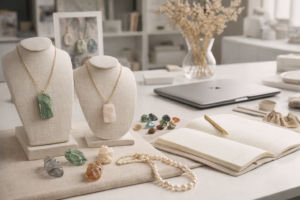
- Remarkable interiors and bespoke furniture with lola-jacks.uk inspire modern living
- The Art of Bespoke Furniture Design
- Understanding the Design Process
- Creating Harmonious Interior Spaces
- The Importance of Lighting
- The Role of Texture and Colour
- Developing a Colour Palette
- Sustainable Interior Design Practices
- Extending Design Concepts to Outdoor Living
Remarkable interiors and bespoke furniture with lola-jacks.uk inspire modern living
Creating a truly inviting and functional living space is a pursuit many homeowners embark on, seeking to blend aesthetics with practicality. The desire for unique pieces, tailored to individual tastes and needs, is ever-increasing. This has led to a growing appreciation for bespoke furniture and thoughtfully designed interiors, moving away from mass-produced options and embracing craftsmanship and personality. Finding a partner who understands this vision and can deliver exceptional results is paramount. lola-jacks.uk offers a curated selection of remarkable interiors and furniture designed to inspire modern living, providing solutions for discerning clients looking to elevate their homes.
The focus now is on creating spaces that reflect the homeowner’s lifestyle, rather than simply conforming to current trends. This shift emphasizes quality, durability, and a personal connection to the pieces within the home. Attention to detail, innovative design, and the use of premium materials are key components of this evolving aesthetic. Whether it’s a complete interior overhaul or a single statement piece, the goal is to create a harmony between form and function, resulting in a space that is both beautiful and comfortable. The importance of professional guidance in navigating the complexities of interior design and furniture selection cannot be overstated, and this is where experienced companies excel.
The Art of Bespoke Furniture Design
Bespoke furniture transcends the concept of simply purchasing an item; it’s a collaborative process between the client and the designer. It allows for complete customization, ensuring that every detail, from the dimensions and materials to the finish and hardware, is perfectly aligned with the client’s vision and the specific requirements of the space. This level of personalization is particularly valuable in homes with unusual architectural features or limited space, where standard furniture simply won’t fit or function effectively. The ability to adapt designs to individual needs prevents compromises and unlocks the full potential of a room. Beyond functionality, bespoke furniture serves as a powerful statement of personal style, reflecting the homeowner’s unique taste and creating a distinctive atmosphere.
Understanding the Design Process
The design process typically begins with an in-depth consultation to discuss the client’s needs, preferences, and budget. This initial conversation explores the overall style of the home, the intended use of the space, and any specific requirements or challenges. Following the consultation, the designer will develop initial concepts, often presented as sketches or 3D renderings, to visualize the proposed furniture. These concepts are then refined based on client feedback, with ongoing communication ensuring that the final design meets expectations. The selection of materials is a crucial step, with a wide range of options available, from solid hardwoods and premium fabrics to innovative composites and sustainable materials. The finished piece is often crafted by skilled artisans, ensuring the highest level of quality and attention to detail.
| Material | Durability | Cost | Aesthetic |
|---|---|---|---|
| Solid Oak | High | Medium-High | Classic, Warm |
| Walnut | High | High | Rich, Sophisticated |
| Beech | Medium | Low-Medium | Light, Versatile |
| Metal (Steel) | Very High | Medium | Modern, Industrial |
Choosing the right materials is pivotal to ensuring the longevity and visual appeal of bespoke furniture. Consideration must be given not only to the aesthetic qualities of each material, but also its durability, maintenance requirements, and environmental impact. A skilled designer will guide clients through these considerations, helping them to make informed decisions that align with their lifestyle and budget.
Creating Harmonious Interior Spaces
Interior design is more than just selecting furniture and decorating with accessories; it’s about creating a cohesive and harmonious environment that enhances the quality of life. A well-designed interior should be both visually appealing and functionally efficient, catering to the specific needs of the occupants. This involves careful consideration of space planning, lighting, colour palettes, and the overall flow of the home. The goal is to create a space that feels welcoming, comfortable, and inspiring, reflecting the personality and lifestyle of the homeowners. Successful interior design requires a keen eye for detail, a strong understanding of design principles, and the ability to translate ideas into reality.
The Importance of Lighting
Lighting plays a crucial role in shaping the mood and ambience of an interior space. Different types of lighting – ambient, task, and accent – serve distinct purposes, and layering these different sources can create a dynamic and inviting atmosphere. Ambient lighting provides overall illumination, task lighting focuses on specific areas for activities like reading or cooking, and accent lighting highlights architectural features or artwork. The choice of light fixtures, bulbs, and dimmer switches can further enhance the lighting scheme, allowing for customization and flexibility. Natural light should also be maximized whenever possible, as it has a positive impact on mood and well-being. Integrating smart lighting systems allows for increased control and energy efficiency.
- Consider the function of each room when planning lighting.
- Utilize a variety of lighting types for a layered effect.
- Maximize natural light sources whenever possible.
- Choose energy-efficient light bulbs and fixtures.
- Incorporate dimmer switches for greater control over ambience.
Effective lighting design not only enhances the aesthetic appeal of a space but also contributes to its functionality and overall comfort. A well-lit home is a more inviting and enjoyable place to live.
The Role of Texture and Colour
Texture and colour are fundamental elements of interior design, capable of dramatically transforming the look and feel of a space. Texture adds depth and visual interest, creating a tactile experience that engages the senses. Different textures, such as rough stone, smooth silk, or woven wool, evoke different moods and sensations. Colour, on the other hand, has a powerful psychological impact, influencing our emotions and perceptions. Warm colours like reds and oranges tend to create a sense of energy and excitement, while cool colours like blues and greens promote calmness and relaxation. The skillful use of texture and colour can create a harmonious and balanced interior that reflects the homeowner’s personality and enhances their well-being.
Developing a Colour Palette
Developing a cohesive colour palette is essential for creating a harmonious interior. It’s often helpful to start with a neutral base colour, such as white, grey, or beige, and then build upon it with accent colours. Consider the mood you want to create in each room and choose colours accordingly. For example, a bedroom might benefit from calming blues and greens, while a living room could feature warmer, more inviting tones. It’s also important to consider the amount of natural light in the room, as this can affect how colours appear. Using a colour wheel can be a useful tool for understanding colour relationships and creating visually appealing combinations. Don’t be afraid to experiment with different shades and tones to find the perfect palette for your space.
- Start with a neutral base colour.
- Choose accent colours based on desired mood.
- Consider the amount of natural light.
- Use a colour wheel for guidance.
- Experiment with shades and tones.
A carefully curated colour palette can unify a space and create a sense of visual harmony, while thoughtful use of texture adds depth and interest. These elements contribute significantly to the overall aesthetic appeal of an interior.
Sustainable Interior Design Practices
Increasingly, homeowners are prioritizing sustainability when it comes to interior design, seeking to minimize their environmental impact and create healthier living spaces. This involves choosing eco-friendly materials, reducing waste, and opting for energy-efficient solutions. Sustainable materials include bamboo, reclaimed wood, organic cotton, and recycled glass. Reducing waste can be achieved by repurposing existing furniture, choosing durable products that last longer, and opting for low-VOC paints and finishes. Energy-efficient lighting, appliances, and insulation can significantly reduce energy consumption and lower utility bills. Embracing sustainable design practices not only benefits the environment but also creates a healthier and more comfortable home for the occupants.
Supporting companies committed to ethical sourcing and responsible manufacturing is a key aspect of sustainable interior design. Transparency in the supply chain ensures that materials are sourced in an environmentally and socially responsible manner. Furthermore, considering the lifecycle of furniture and design elements – from production and transportation to use and disposal – helps to minimize environmental impact. The growing awareness of environmental issues and the increasing availability of sustainable products are driving a significant shift towards more responsible interior design practices.
Extending Design Concepts to Outdoor Living
The lines between indoor and outdoor living are increasingly blurred, with homeowners seeking to create seamless transitions and extend their living spaces into the garden or patio. This involves incorporating similar design elements, materials, and colour palettes to create a cohesive aesthetic. Outdoor furniture should be comfortable, durable, and weather-resistant, able to withstand the elements while providing a relaxing and inviting atmosphere. Landscaping plays a crucial role in enhancing the outdoor living experience, with plants and trees providing shade, privacy, and visual appeal. Carefully planned lighting can create a magical ambience in the evening, transforming the outdoor space into an extension of the home. Creating a functional and aesthetically pleasing outdoor living area enhances the overall lifestyle and enjoyment of the property.
Designing a cohesive indoor-outdoor space requires careful consideration of flow and functionality. Access points should be convenient and well-defined, allowing for easy movement between the two areas. Weather protection, such as pergolas or awnings, can provide shade and shelter from the rain. Outdoor kitchens and dining areas extend the functionality of the home, allowing for year-round entertaining. Ultimately, the goal is to create a harmonious and inviting space that seamlessly integrates indoor and outdoor living, maximizing the enjoyment of the property. Investing in quality outdoor furnishings and landscaping elevates the experience.