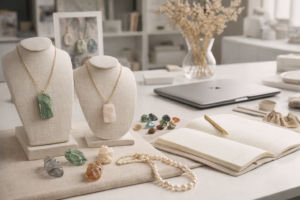
- Creative inspiration from bonrushs-uk.uk shapes modern living spaces brilliantly
- The Evolution of Modern Interior Aesthetics
- The Role of Lighting in Defining Ambiance
- The Influence of Color and Texture
- The Importance of Sustainable Design Practices
- Creating Functional and Stylish Living Spaces
- The Future of Interior Design – Integration and Adaptability
Creative inspiration from bonrushs-uk.uk shapes modern living spaces brilliantly
In the realm of contemporary interior design, inspiration can be drawn from a multitude of sources, and increasingly, online platforms are playing a pivotal role in shaping trends and offering creative solutions. One such platform gaining recognition within the design community is bonrushs-uk.uk, a resource dedicated to showcasing innovative ideas and products for modern living spaces. It isn’t simply a catalogue, but a curated collection that speaks to a specific aesthetic, blending functionality with a keen eye for style. The appeal lies in its ability to bridge the gap between aspirational design and attainable reality.
The demand for well-designed, comfortable, and aesthetically pleasing homes continues to grow, fuelled by changing lifestyles and an increased focus on personal well-being. People are investing more time and resources into creating spaces that reflect their individuality and enhance their quality of life. This trend has led to a thriving market for home décor, furniture, and innovative design solutions, where platforms like bonrushs-uk.uk flourish by providing a centralized hub for inspiration and discovery. The ability to visualize and source these ideas is paramount in today’s fast-paced world.
The Evolution of Modern Interior Aesthetics
Modern interior aesthetics have undergone a significant transformation in recent decades, shifting away from rigid formality towards a more relaxed, approachable, and personalized style. The emphasis now lies on creating spaces that are not only visually appealing but also functional and conducive to a comfortable lifestyle. This evolution has been influenced by a variety of factors, including advancements in technology, changing social norms, and a growing awareness of sustainability. Minimalism, once a dominant force, has softened, incorporating warmer tones, natural materials, and organic shapes. This trend reflects a desire for authenticity and a connection to the natural world.
A key element of modern interiors is the skillful blending of different styles and influences. Eclecticism is no longer considered a design faux pas, but rather a way to create unique and characterful spaces. Mixing vintage pieces with contemporary furniture, incorporating bold patterns with neutral palettes, and layering textures are all techniques used to achieve a layered and inviting look. This approach allows homeowners to express their personal taste and create a space that feels truly their own. The focus has moved from rigidly following trends to curating a collection of pieces that reflect individual passions and experiences.
| Design Style | Key Characteristics |
|---|---|
| Minimalism | Clean lines, neutral colors, functionality, decluttered spaces |
| Scandinavian | Warm and inviting, natural materials, light colors, hygge (coziness) |
| Bohemian | Eclectic, vibrant colors, global influences, natural textures |
| Industrial | Raw materials, exposed brick, metal accents, vintage finds |
The incorporation of smart home technology is also playing an increasingly important role in modern interior design. Automated lighting, temperature control, and entertainment systems are becoming more commonplace, adding convenience and enhancing the overall living experience. However, it's crucial to integrate technology seamlessly into the design scheme, ensuring that it complements rather than overwhelms the aesthetic. Discreetly hidden wiring, smart furniture, and voice-activated controls are all ways to achieve a harmonious blend of technology and design.
The Role of Lighting in Defining Ambiance
Lighting is arguably the most crucial element in interior design, capable of dramatically altering the mood and atmosphere of a space. It's no longer sufficient to simply illuminate a room; lighting should be layered and thoughtfully considered to create a desired effect. Ambient lighting, task lighting, and accent lighting all play distinct roles in achieving this. Ambient lighting provides overall illumination, task lighting focuses on specific areas for functional purposes, and accent lighting highlights architectural features or decorative objects.
The choice of light fixtures also contributes significantly to the overall aesthetic. Modern designs often incorporate sleek, minimalist fixtures, while more traditional styles may feature ornate chandeliers or sconces. Energy-efficient LED lighting is becoming increasingly popular, offering both cost savings and environmental benefits. Dimmer switches allow for adjustable light levels, creating a more versatile and adaptable space. The strategic use of natural light is also essential, maximizing daylight exposure to create a bright and airy feel.
The Influence of Color and Texture
Color and texture are powerful tools in the hands of an interior designer, capable of evoking a wide range of emotions and influencing the perception of space. In recent years, there's been a move away from stark, monochromatic palettes towards warmer, more inviting tones. Earthy colors like terracotta, ochre, and olive green are gaining popularity, reflecting a desire for a connection to nature. These hues create a sense of calm and tranquility, making them ideal for bedrooms and living areas. However, incorporating pops of color through accessories and artwork can add visual interest and personality.
Texture plays a crucial role in adding depth and dimension to an interior space. Layering different textures – such as soft fabrics, rough wood, and smooth metal – creates a tactile experience that engages the senses. The use of natural materials like wool, linen, and cotton adds warmth and organic appeal. Textured walls, whether through paint finishes, wallpaper, or architectural details, can also create visual interest and add a sense of sophistication. Experimenting with different textures is a great way to add personality and create a space that feels truly inviting.
- The layering of textiles introduces visual and tactile interest.
- Natural materials, like wood and stone, bring warmth and authenticity.
- Contrasting textures – smooth versus rough – create dynamic appeal.
- Strategic use of patterns can add personality without overwhelming the space.
Understanding the psychology of color is also crucial. Different colors evoke different emotions and associations. Blue is often associated with calmness and serenity, while red is associated with energy and passion. Green is associated with nature and growth, while yellow is associated with happiness and optimism. Choosing colors that align with the desired mood and function of a space is key. Considering the impact of color on the overall aesthetic and ambiance is an essential aspect of interior design.
The Importance of Sustainable Design Practices
As environmental awareness grows, sustainable design practices are becoming increasingly important in the world of interior design. This involves minimizing the environmental impact of materials, reducing waste, and creating spaces that are energy-efficient and healthy for occupants. Choosing eco-friendly materials, such as recycled wood, bamboo, and organic cotton, is a crucial step. Supporting local artisans and manufacturers reduces the carbon footprint associated with transportation. Prioritizing durability and longevity ensures that furniture and decor items are not quickly discarded and replaced.
Energy efficiency is another key aspect of sustainable design. Installing energy-efficient windows, appliances, and lighting systems can significantly reduce energy consumption. Proper insulation and ventilation are also essential for maintaining a comfortable indoor climate and minimizing energy waste. Incorporating natural light and passive solar design strategies can further enhance energy efficiency. Sustainable design is not just about environmental responsibility; it’s also about creating spaces that are healthier and more comfortable for people to live in.
- Source materials responsibly and prioritize recycled or reclaimed options.
- Minimize waste during the design and construction process.
- Choose energy-efficient appliances and lighting.
- Prioritize natural light and ventilation.
- Select non-toxic and low-VOC (volatile organic compound) materials.
Beyond materials and energy efficiency, sustainable design also emphasizes the importance of creating healthier indoor environments. Avoiding materials that emit harmful chemicals, such as formaldehyde and benzene, is crucial. Ensuring proper ventilation and air filtration can also improve indoor air quality. Plants can also help to purify the air and create a more welcoming and vibrant space. A holistic approach to sustainable design considers the health and well-being of both people and the planet.
Creating Functional and Stylish Living Spaces
The ultimate goal of interior design is to create spaces that are both functional and stylish. This requires a careful consideration of the needs and lifestyle of the occupants. A well-designed space should seamlessly support daily activities, providing comfortable and convenient solutions for everything from cooking and dining to working and relaxing. Efficient space planning is essential, maximizing usable space and minimizing clutter. Storage solutions should be integrated thoughtfully, keeping belongings organized and accessible. The arrangement of furniture should facilitate conversation and flow, creating a welcoming and inviting atmosphere.
Style, of course, is also an important consideration. The aesthetic of a space should reflect the personal taste and preferences of the occupants. However, it’s important to strike a balance between personal expression and timeless design principles. Classic design elements, such as good proportions, balanced composition, and a cohesive color palette, can create a sense of harmony and sophistication. Don’t be afraid to experiment, but always prioritize quality and craftsmanship. Ultimately, a successful interior design project is one that seamlessly blends functionality and style, creating a space that is both beautiful and livable. Resources like bonrushs-uk.uk can provide a starting point for exploring design options and finding inspiration.
The Future of Interior Design – Integration and Adaptability
Looking ahead, the future of interior design will likely be characterized by even greater integration of technology and a focus on adaptability. Spaces will need to be increasingly flexible, capable of accommodating changing needs and lifestyles. Modular furniture, adaptable lighting systems, and multi-functional spaces will become more commonplace. The rise of remote work will continue to influence design trends, with a greater emphasis on creating dedicated home office spaces that are both functional and inspiring. Personalization will also become even more important, with technology enabling homeowners to customize their spaces to their exact preferences.
We will also see an increased emphasis on biophilic design – incorporating elements of nature into the built environment. This includes bringing in natural light, greenery, and natural materials. Research has shown that biophilic design can have a positive impact on human health and well-being, reducing stress and enhancing creativity. The continued exploration of innovative materials and sustainable practices will also shape the future of the field, ensuring that interior design remains both aesthetically pleasing and environmentally responsible. The initial spark of inspiration, perhaps found on a site like bonrushs-uk.uk, will then be translated into increasingly sophisticated and personalized living spaces.