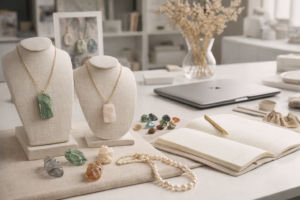
- Genuine artistry showcased with https://the-spinking.co.uk for remarkable living spaces
- The Allure of Antique and Vintage Furniture
- Understanding Wood Types and Joinery
- The Role of Art in Interior Design
- Selecting Art Based on Style and Period
- The Importance of Lighting in Showcasing Interior Design
- Choosing the Right Bulbs and Color Temperatures
- The Power of Textiles and Accessories
- Expanding Horizons: Incorporating Sustainable Practices
Genuine artistry showcased with https://the-spinking.co.uk for remarkable living spaces
Creating a truly remarkable living space goes beyond simply filling a room with furniture. It’s about curating an environment that reflects your personality, inspires creativity, and provides a sanctuary from the everyday. Finding the perfect pieces to achieve this vision can be a significant undertaking, often requiring a discerning eye and access to unique, high-quality items. This is where resources like https://the-spinking.co.uk come into play, offering a curated collection of art, antiques, and vintage treasures that can transform a house into a home. The power of well-chosen décor lies in its ability to tell a story, to evoke emotions, and to create a lasting impression.
The desire for individuality in home décor is stronger than ever. People are moving away from mass-produced, generic items and actively seeking pieces with character, history, and artistic merit. This shift towards authenticity is driving the demand for antique and vintage items, as well as original artwork. Platforms that specialize in sourcing these unique pieces, offering a carefully selected range and ensuring quality and provenance, are becoming increasingly valuable to homeowners and interior designers alike. The ability to discover something truly special, a piece that resonates on a personal level, is a key aspect of the modern approach to interior design.
The Allure of Antique and Vintage Furniture
Antique and vintage furniture possesses a unique charm and character that is difficult to replicate with modern pieces. Beyond their aesthetic appeal, these items often represent a bygone era, offering a glimpse into the craftsmanship and design sensibilities of the past. Incorporating antique furniture into a contemporary setting introduces a sense of history and depth, creating a layered and visually interesting space. The quality of materials and construction in many antique pieces often surpasses that of modern counterparts, promising durability and longevity. Sourcing these items, however, requires knowledge and careful consideration to ensure authenticity and value. A reputable dealer, or online platform, provides the needed assurance.
The selection process should involve considering the style, period, and condition of the furniture. Different eras – Victorian, Art Deco, Mid-Century Modern – each bring a distinct aesthetic. Understanding these styles will aid in creating a cohesive and harmonious design. Additionally, assessing the condition of the piece is crucial. While some wear and tear can add to the character, significant damage might require costly restoration. Consider the scale of the furniture in relation to the room, ensuring it doesn’t overwhelm the space. Investing in quality antique or vintage pieces isn’t just about acquiring furniture; it's about investing in history and artistry.
Understanding Wood Types and Joinery
A key aspect of assessing antique and vintage furniture is understanding the wood types and joinery techniques used in its construction. Different woods – mahogany, oak, walnut, pine – possess varying characteristics in terms of grain, color, and durability. Recognizing these differences can help determine the age and quality of a piece. Equally important is the examination of joinery – how the various components of the furniture are held together. Dovetail joints, mortise and tenon joints, and tongue and groove construction are all hallmarks of skilled craftsmanship. The presence of hand-cut joints, for example, often indicates a higher level of quality and age. Careful examination of these details can reveal a lot about the history and value of the furniture.
Furthermore, the finish applied to the wood can also provide clues about its age and origin. Original finishes are often shellac or varnish, while later repairs might involve polyurethane or other modern coatings. Being able to differentiate between these finishes is important for appreciating the authenticity of the piece. Researching common wood types and joinery techniques used in different periods will empower buyers to make informed decisions and avoid purchasing misrepresented items.
| Wood Type | Characteristics | Common Uses | Approximate Hardness (Janka Scale) |
|---|---|---|---|
| Mahogany | Reddish-brown color, strong, durable, works well with carving. | High-end furniture, veneers, musical instruments. | 800-900 |
| Oak | Light to medium brown, very durable, prominent grain. | Furniture, flooring, cabinetry. | 1290-1360 |
| Walnut | Dark brown, rich color, strong, good for carving. | Furniture, gunstocks, veneers. | 1010 |
| Pine | Light color, soft, easy to work with, affordable. | Rustic furniture, shelving, paneling. | 380-870 |
Understanding these wood characteristics helps appreciate the craftsmanship of antique furniture and assess its long-term value.
The Role of Art in Interior Design
Art is an essential element in creating a truly personalized and inspiring living space. It’s more than just decoration; it's a reflection of your taste, values, and experiences. A carefully chosen piece of art can become a focal point in a room, sparking conversation and adding a sense of sophistication. The possibilities are endless, ranging from paintings and sculptures to prints, photographs, and mixed media works. The key is to select pieces that resonate with you on an emotional level and complement the overall aesthetic of your home. Platforms such as https://the-spinking.co.uk facilitate access to a diverse range of artworks, from established artists to emerging talents. Focusing on works that truly speak to you is vital.
When incorporating art into your interior design, consider the scale, color palette, and subject matter of the piece in relation to the surrounding space. A large-scale painting can make a dramatic statement in a spacious living room, while a smaller, more intimate work might be better suited for a hallway or bedroom. The colors in the artwork should harmonize with the existing color scheme of the room, creating a cohesive and visually pleasing effect. Think about the emotional impact you want to evoke – do you want a piece that is calming and serene, or bold and energetic? Don’t be afraid to experiment and mix different styles to create a unique and eclectic look.
Selecting Art Based on Style and Period
Choosing art based on style and period can significantly contribute to the overall aesthetic of your interior design. Different artistic movements – Impressionism, Cubism, Abstract Expressionism, Pop Art – each have their distinct characteristics and visual language. Understanding these styles will help you select pieces that complement the architectural style of your home and your personal preferences. For example, a traditional home might benefit from classic landscapes or portraits, while a modern loft might be better suited to abstract or contemporary works. Consider the historical context of the artwork and the artist’s intentions.
Researching different art periods and movements can broaden your understanding and appreciation of art. Visiting museums, galleries, and art fairs is a great way to see artworks in person and learn from experts. Don't be afraid to ask questions and seek advice from art consultants or dealers. Ultimately, the most important thing is to choose art that you love and that brings you joy. The enduring quality of a captivating piece extends beyond its monetary worth.
- Consider the dimensions of the space where the art will be displayed.
- Pay attention to the color palette and how it interacts with the room's existing scheme.
- Think about the mood or emotion you want to evoke with the artwork.
- Don’t be afraid to mix and match different styles and periods.
- Research artists and movements to expand your knowledge and appreciation.
Selecting art is a personal journey, and the key is to trust your instincts and choose pieces that speak to you.
The Importance of Lighting in Showcasing Interior Design
Lighting plays a crucial role in showcasing your interior design and creating the desired ambiance. It's not simply about illuminating a room; it's about enhancing its features, highlighting artwork, and setting the mood. A well-lit space feels more inviting, comfortable, and visually appealing. There are three main types of lighting to consider: ambient lighting, task lighting, and accent lighting. Ambient lighting provides overall illumination, while task lighting focuses on specific areas for activities like reading or cooking. Accent lighting is used to highlight architectural features, artwork, or decorative objects. Effective use of all three types is essential for a well-designed space.
When choosing lighting fixtures, consider the style of your home and the function of each room. Chandeliers and pendant lights can add a touch of elegance to a dining room or entryway, while recessed lighting provides a clean and modern look. Table lamps and floor lamps offer versatility and can be used to create warm and inviting pools of light. Don't underestimate the power of dimmers, which allow you to adjust the intensity of the light to suit different moods and activities. Layering your lighting is the key to creating a dynamic and visually interesting space. Proper lighting truly elevates the entire design scheme.
Choosing the Right Bulbs and Color Temperatures
Selecting the right bulbs and color temperatures is just as important as choosing the fixtures themselves. Different types of bulbs – incandescent, halogen, LED – each have their own characteristics in terms of energy efficiency, lifespan, and color rendering. LED bulbs are the most energy-efficient and long-lasting option, making them a great choice for both environmental and economic reasons. Color temperature is measured in Kelvin (K) and refers to the warmth or coolness of the light. Warmer temperatures (2700K-3000K) create a cozy and inviting atmosphere, while cooler temperatures (4000K-5000K) are better suited for task lighting and areas where you need bright, focused illumination.
Experimenting with different color temperatures can help you find the perfect balance for each room. Consider using warmer tones in bedrooms and living rooms to create a relaxing ambiance, and cooler tones in kitchens and home offices to enhance focus and productivity. The correct lighting scheme will accentuate the beauty of items sourced from places like https://the-spinking.co.uk, enhancing their colours and details. Ensuring good colour rendering allows you to see the true palette of your spaces.
- Start with ambient lighting to provide overall illumination.
- Add task lighting where needed for specific activities.
- Use accent lighting to highlight features and artwork.
- Choose bulbs with the appropriate color temperature for each room.
- Consider using dimmers to adjust the intensity of the light.
Thoughtful lighting design can dramatically transform a space, creating a welcoming and visually stunning environment.
The Power of Textiles and Accessories
Textiles and accessories are the finishing touches that elevate a well-designed space from simply functional to truly inviting and personalized. These elements introduce texture, color, and pattern, adding depth and interest to a room. Consider incorporating a variety of textures – soft throws, plush rugs, woven baskets – to create a sense of warmth and comfort. Layering different patterns can add visual excitement, but it’s important to ensure they complement each other and don’t clash. Carefully chosen accessories – artwork, sculptures, vases, candles – can reflect your personality and add a touch of sophistication.
The key is to strike a balance between functionality and aesthetics. Accessories should be both visually appealing and useful. For example, a beautiful throw blanket can add a pop of color to a sofa while also providing warmth and comfort. A stylish vase can display fresh flowers, bringing a touch of nature indoors. Don’t be afraid to mix and match different styles and materials to create a unique and eclectic look. The curated collection available makes finding complementary pieces easier than ever.
Expanding Horizons: Incorporating Sustainable Practices
The principles of sustainability are increasingly influencing interior design choices. Consumers are becoming more aware of the environmental impact of their purchases and seeking eco-friendly alternatives. This includes opting for furniture made from sustainably sourced materials, choosing low-VOC paints and finishes, and incorporating energy-efficient lighting. Vintage and antique furniture naturally align with sustainable practices, as they give existing pieces a new lease on life, reducing the demand for new production. Similarly, choosing locally made products supports local artisans and reduces transportation emissions. Adopting these practices not only benefits the environment but also creates a healthier and more sustainable living space.
Consider the lifecycle of the items you bring into your home. Opt for durable, high-quality pieces that will last for years to come, rather than disposable, fast-fashion items. Support companies that prioritize ethical and sustainable manufacturing practices. Repurposing and upcycling existing items is another great way to reduce waste and add a unique touch to your décor. The ability to find unique, high-quality pieces that are also ethically sourced is a growing priority for many discerning homeowners, and resources like https://the-spinking.co.uk are responding to this demand by curating collections that prioritize both style and sustainability.